Planning an event involves much more than choosing a venue or creating a schedule. Every successful event depends on timely, accurate, and consistent communication between organisers, attendees, vendors, speakers, and support teams. When everyone receives the right information at the right time, the event runs more smoothly and unexpected issues become easier to manage.
An effective Event Communication Plan provides a clear framework for sharing updates before, during, and after an event. It helps reduce confusion, improves coordination, and creates a better experience for everyone involved.
Why Communication Drives Event Success
Strong communication keeps every part of an event connected. From confirming registrations to notifying guests about schedule changes, every message contributes to a more organised experience.
When communication is well planned, organisers can:
- Reduce misunderstandings
- Improve teamwork
- Respond faster to changes
Even small updates delivered at the right time can prevent larger problems later.
Identify Every Key Event Audience
Every audience has different information needs. Guests want arrival details, vendors need delivery schedules, and speakers require session information. Sending the same message to everyone often creates unnecessary confusion.
Understanding each audience allows organisers to deliver relevant information without overwhelming people with details. This approach also improves engagement and response rates.
Set Goals Before Sending Messages
Every communication should have a clear purpose. Instead of sending frequent updates without direction, focus on providing information that helps people prepare or take action.
A communication plan may include registration confirmations, venue instructions, event reminders, or important announcements. A structured Event Communication Plan ensures every message supports the overall event objectives.
Choose the Best Communication Tools
Different situations require different communication methods. Email works well for detailed information, while text messages are ideal for urgent updates. Social media and event websites are useful for sharing public announcements before and during the event.
Using multiple channels ensures important information reaches the right people without relying on a single platform.
Plan Updates Before the Event Starts
Creating a communication schedule keeps everyone informed throughout the event journey. Guests appreciate receiving useful information before arriving, while staff benefit from regular operational updates.
Typical communication includes:
- Registration confirmation
- Event reminders
- Schedule updates
- Thank-you messages after the event
Planning these messages in advance saves time and maintains consistency.
Keep Every Message Clear and Simple
Complicated language often leads to misunderstandings. Event communication should be short, direct, and easy to read. Every message should explain what is happening, when it happens, and whether any action is required. This is especially important when coordinating performers such as James Bustar, where clear instructions help ensure smooth scheduling and performance delivery.
Simple communication helps attendees quickly understand important information without reading lengthy instructions.
Prepare for Unexpected Event Changes
Unexpected situations can occur at any event, including weather changes, technical issues, or delayed suppliers. Preparing communication templates before the event allows organisers to respond quickly when plans change.
Fast and transparent updates help attendees remain informed while reducing uncertainty during unexpected situations.
Assign Communication Responsibilities Early
A successful event requires clear responsibility for communication. Team members should know who is responsible for guest updates, vendor coordination, media enquiries, emergency announcements, and coordinating with entertainment providers such as Magicians for Events to ensure schedules and performance details are communicated accurately.
Assigning these roles early prevents duplicate messages, reduces confusion, and ensures important information reaches the right people at the right time.
s duplicate messages and ensures information remains accurate throughout the event.
Review Communication After the Event
Communication should continue even after the event has ended. Thank-you emails, feedback surveys, and follow-up messages help organisers understand what worked well and where improvements can be made.
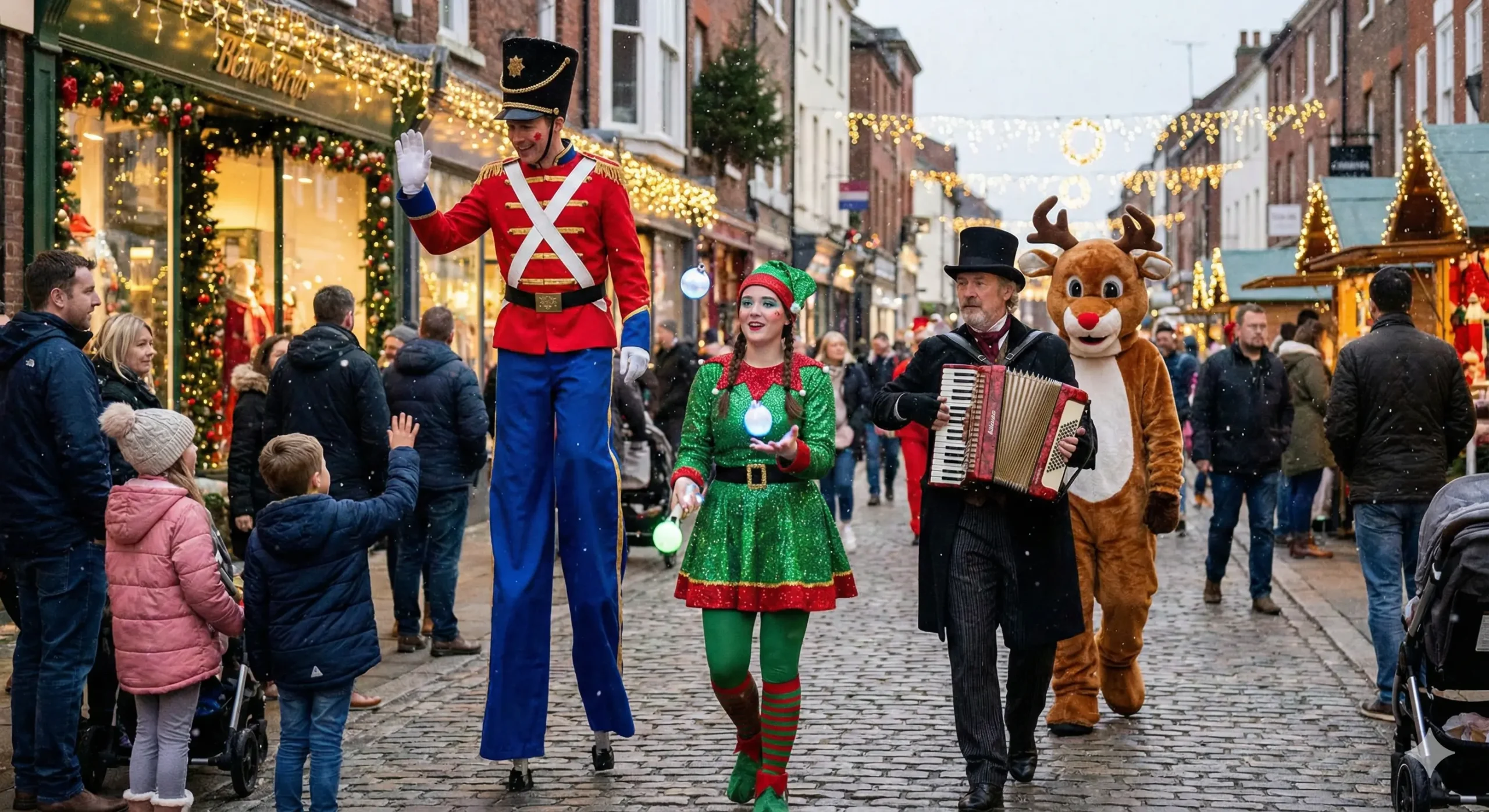
Reviewing audience feedback also helps strengthen communication strategies for future events. If your event featured live performers, reading How Roaming Entertainment Changes the Atmosphere of an Event can provide valuable ideas for creating more engaging guest experiences at future events.
Frequently Asked Questions
What is an event communication plan?
It is a structured process for sharing important information with attendees, staff, vendors, and stakeholders before, during, and after an event.
Why is communication important during events?
Clear communication reduces confusion, improves coordination, and helps organisers respond quickly to changes while keeping everyone informed.
Which communication channels are most effective?
Email, SMS, event websites, and social media are commonly used because they allow organisers to reach different audiences quickly.
How often should attendees receive updates?
Only when information is useful or requires action. Too many messages can reduce engagement and cause important updates to be overlooked.
How can organisers improve event communication?
Planning messages in advance, using simple language, assigning communication responsibilities, and reviewing feedback after the event all help improve future communication.
Improve Every Event Through Planning
Effective communication builds trust, improves coordination, and creates a better experience for everyone involved. A carefully planned Event Communication Plan allows organisers to manage information confidently while keeping every stakeholder informed from beginning to end.
Whether organising a corporate conference, community festival, wedding, or private celebration, clear communication remains one of the most valuable elements of successful event planning. Event Act Connect supports memorable events by connecting clients with experienced entertainment professionals and helping create organised experiences that keep everyone informed.