Planning entertainment for a festival or outdoor event requires more than choosing a popular act. The right entertainment should match the audience, event space, schedule, theme, and overall atmosphere. A clear plan helps keep guests engaged while making the event easier to manage.
Whether you are organizing a community festival, corporate outdoor event, family day, cultural celebration, or public gathering, entertainment should support the purpose of the event. The following guide explains how to choose suitable acts and create an enjoyable experience for different audiences.
Understand Your Audience and Event Goals
Start by identifying who will attend the event. Families, children, young adults, corporate guests, and mixed-age audiences may respond differently to entertainment.
Consider the main purpose of the event. Is it designed for celebration, community connection, brand awareness, fundraising, or family fun? Your answer will help determine the right type of performers.
Also consider the expected audience size. A small gathering may need interactive entertainment, while a large festival may benefit from acts that can attract attention across a wider area.
Choose Entertainment That Fits the Venue
The event location has a direct effect on entertainment choices. Outdoor spaces can include parks, sports fields, streets, beaches, gardens, and large public areas.
Check the available performance area before booking an act. Consider stage size, audience distance, power supply, weather conditions, sound levels, lighting, and performer access.
For open spaces, visual entertainment can work particularly well because guests can notice performers from different locations. Walking performers, circus acts, magicians, dancers, and interactive entertainers can help bring activity to different parts of the venue.
Build a Balanced Entertainment Schedule
A strong festival schedule should provide variety rather than repeating one type of performance. Different acts can maintain audience interest throughout the day.
Begin with lighter entertainment during arrival periods. Interactive performers or background acts can welcome guests without requiring everyone to stop and watch.
Use higher-energy performances during peak attendance periods. Main-stage shows, live music, comedy, circus performances, or featured entertainers can create memorable moments when the largest audience is present.
Allow enough time between major performances for movement, food breaks, activities, and technical changes. A practical schedule keeps the event flowing without making guests feel rushed.
Explore Family-Friendly Performance Options
Family festivals often attract children and adults at the same time. Entertainment should therefore provide value for multiple age groups.
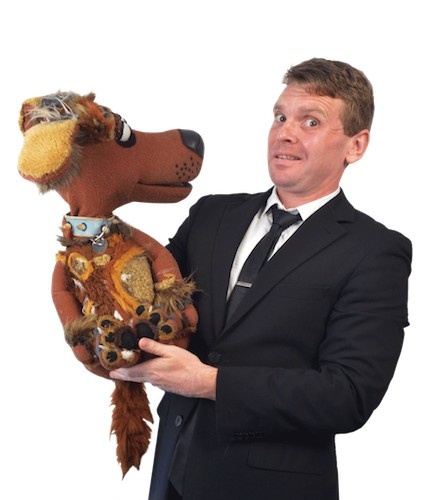
Consider magic shows, balloon artists, face painters, circus performers, puppetry, comedy, interactive games, and roaming entertainers. These options can create opportunities for children to participate while adults enjoy watching.
When developing festival entertainment ideas, think about how each act engages the audience. A performance that encourages participation can create stronger memories than an act that only asks guests to watch.
Safety should also be considered. Performers working around children should have enough space and clear boundaries for audience interaction.
Add Interactive Acts Around the Venue
Not every entertainer needs a fixed stage. Roaming entertainment can help activate areas that may otherwise feel quiet.
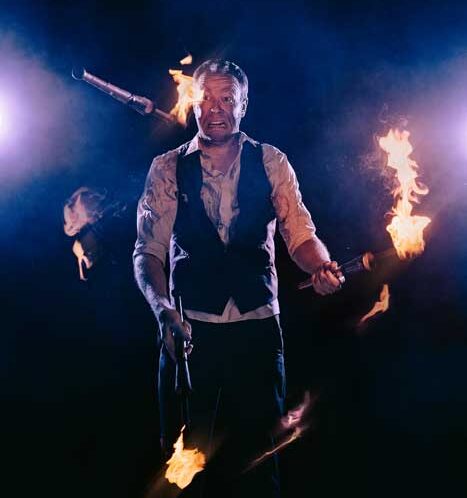
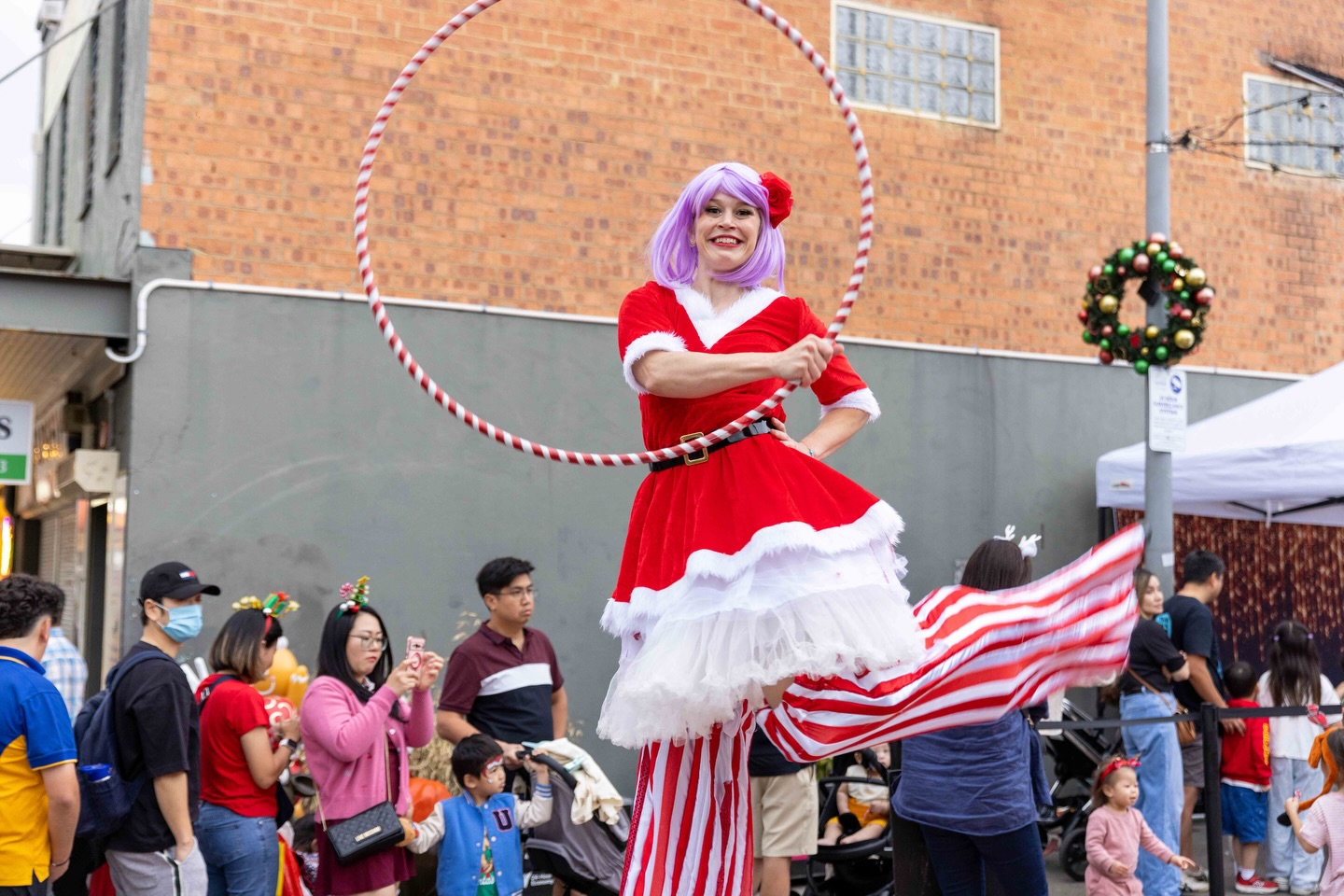
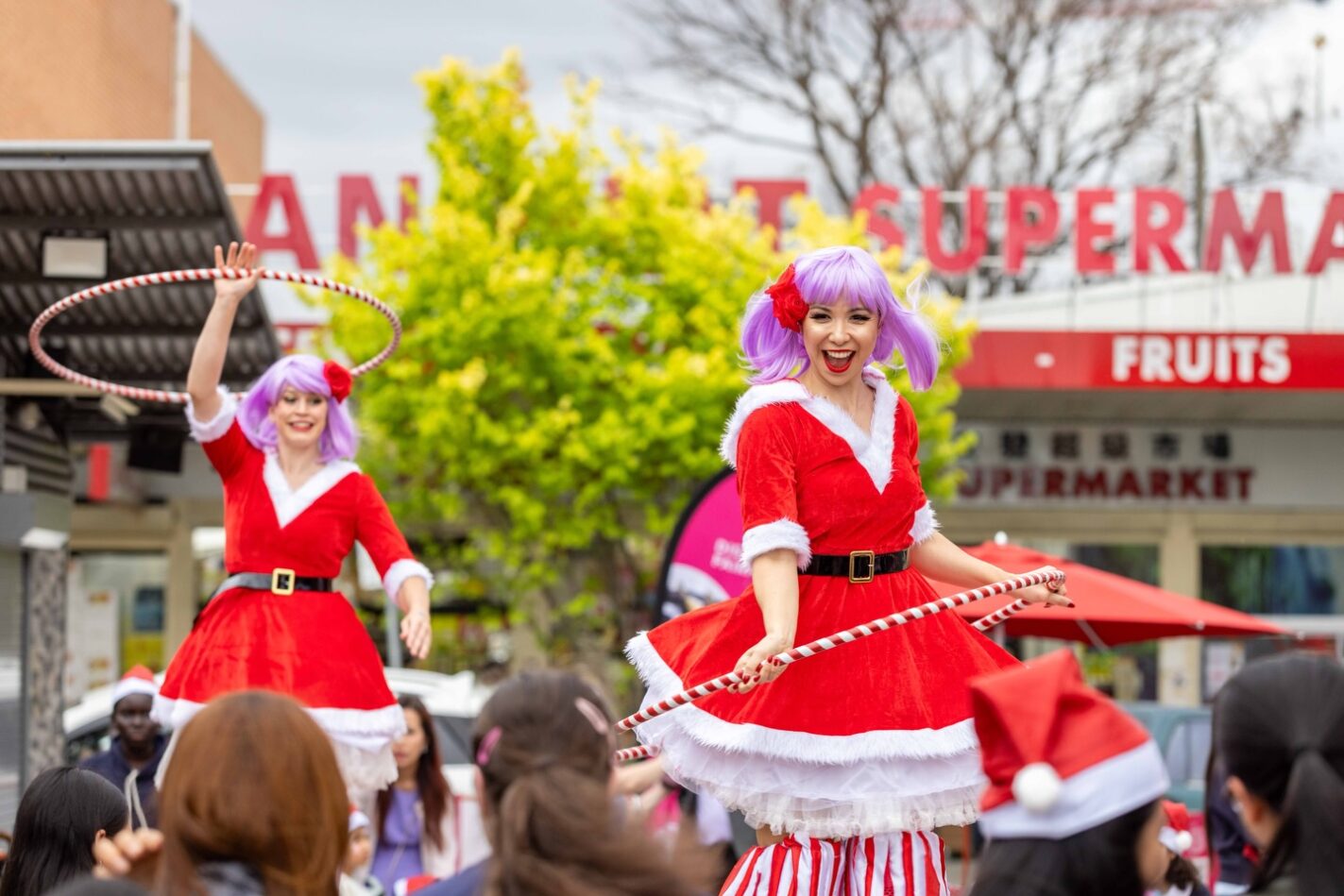
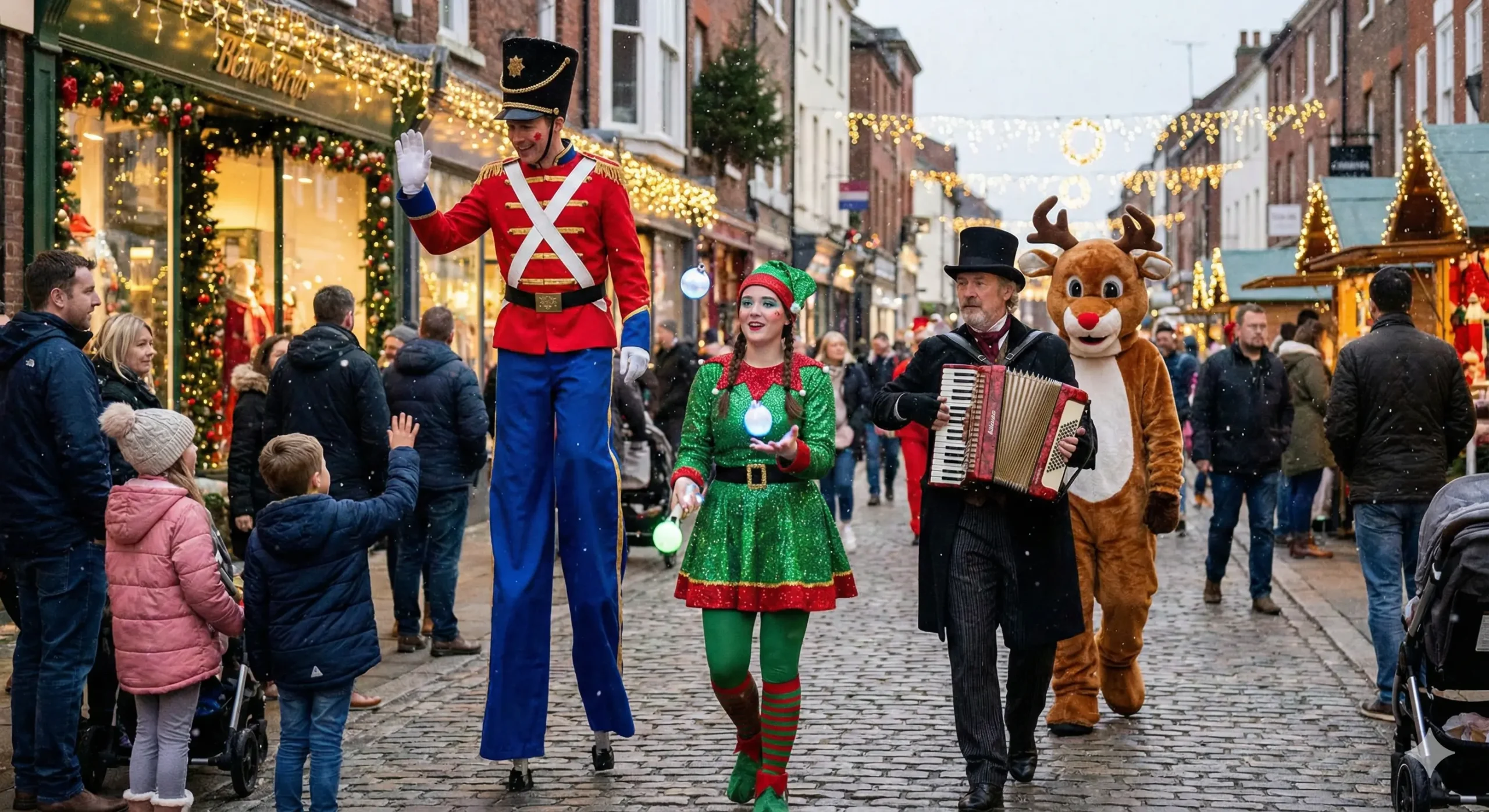
Stilt walkers, character performers, living statues, close-up magicians, jugglers, and roaming musicians can move through the crowd and interact with guests.
This approach is useful for large outdoor events because guests are often spread across different areas. Instead of bringing everyone to one stage, entertainment can reach the audience where they are.
Interactive acts can also support event photography. Guests often enjoy taking photos with visually distinctive performers, creating additional memories from the event.
Match Performances With Your Theme
Your entertainment should feel connected to the event concept. A themed festival can become more memorable when performers, décor, music, and activities work together.
For example, a cultural festival may benefit from traditional performances, while a summer family event could use energetic circus acts, comedy juggler for festivals, music, and interactive activities.
Corporate outdoor events may require a more polished entertainment style. Product launches and promotional events can also benefit from performers who understand how to engage guests while supporting the event message.
When choosing festival entertainment ideas, always ask whether the act supports the theme rather than simply adding another performance.
Plan Around Weather and Outdoor Risks
Outdoor events require a backup plan. Weather can affect performances, equipment, audience comfort, and performer safety.
Before confirming entertainment, ask whether the act can perform in the planned outdoor conditions. Some equipment and performances may require shelter or protection from wind, rain, or extreme heat.
Create an alternative location when possible. A covered stage, indoor room, marquee, or temporary shelter can provide a practical backup.
Keep the audience comfortable as well. Shade, seating, water stations, and clear event signage can improve the overall experience.
Set a Realistic Entertainment Budget
Entertainment costs can vary based on performer experience, performance length, travel, equipment, production needs, and event size.
Create a budget before contacting performers. Divide the available amount between headline entertainment, supporting acts, technical requirements, and contingency costs.
Do not spend the entire budget on one performance without considering the rest of the event. A combination of smaller interactive acts and one strong featured performance can sometimes provide broader audience engagement.
Ask performers for complete pricing details. Confirm performance duration, setup requirements, travel costs, equipment, breaks, and cancellation terms before making a booking.
Confirm Technical and Safety Requirements
Every performance should be checked against the venue’s practical requirements. Confirm power, sound, lighting, stage dimensions, access, setup time, and performance space.
For larger events, coordinate entertainment requirements with the production team. This prevents last-minute problems when multiple performers share the same stage.
Safety should remain a priority. Keep performance areas clear and provide suitable space for performers who use props, equipment, or movement-based routines.
If children are involved, establish clear audience boundaries and supervision arrangements.
Create a Schedule With Flexible Timing
Outdoor events rarely run exactly according to plan. Guest movement, weather, technical delays, and crowd activity can affect timing.
Build small buffers between performances. This gives the event team time to handle unexpected changes without disrupting the entire schedule.
Keep important information available to performers, staff, and event coordinators. Everyone should know performance times, locations, contact details, setup instructions, and emergency procedures.
A flexible schedule makes it easier to maintain a positive atmosphere even when minor delays occur.
Promote Entertainment Before the Event
Entertainment can become an important part of event promotion. Share confirmed performers through the event website, social media, email campaigns, local listings, and promotional materials.
Use clear information about performance types, times, locations, and audience suitability. Strong promotional content can encourage people to attend specific sessions and stay longer. Including festival entertainment ideas in promotional content can also help attract people searching for event inspiration.
For local festivals, include the event location naturally in website content and promotional pages. Location-focused information can help people searching online for nearby events and entertainment.
Measure What Worked Afterward
After the event, review which performances attracted the strongest response. Look at attendance, audience participation, social engagement, feedback, and staff observations.
Ask attendees which performances they enjoyed most and which activities could be improved. Performer feedback can also reveal useful information about crowd behavior and venue conditions.
This information makes future planning easier. Over time, you can build a reliable entertainment strategy based on actual audience preferences rather than assumptions. For more planning guidance, see How to Plan Corporate Events Perfectly.
Frequently Asked Questions
How early should festival entertainment be booked?
Popular performers can become unavailable well before an event date, especially during peak festival seasons. Start planning several months ahead when possible.
What entertainment works for mixed-age audiences?
Interactive magic, circus performances, comedy, roaming acts, music, and visual performers can appeal to different age groups when properly matched to the event.
How many entertainment acts should a festival have?
There is no fixed number. Consider event duration, audience size, venue layout, budget, and the need for variety when creating the schedule.
Should outdoor events have backup entertainment?
Yes. Weather, technical problems, or performer availability can affect plans. Having alternative activities or flexible performers reduces disruption.
How can entertainment improve guest engagement?
Interactive performances encourage participation, movement, photography, and conversation. Combining stage performances with roaming acts can keep different areas of the venue active.
Create a Memorable Outdoor Experience
Successful entertainment planning combines audience needs, venue conditions, event goals, budget, safety, and timing. The best festival entertainment ideas are not simply popular acts; they are performances that fit the people, place, and purpose of the event.
With thoughtful scheduling and the right mix of interactive and featured entertainment, organizers can create an energetic experience that guests remember. For professional planning and engaging entertainment options, Event Act Connect can help bring the right performers and event experiences together.